
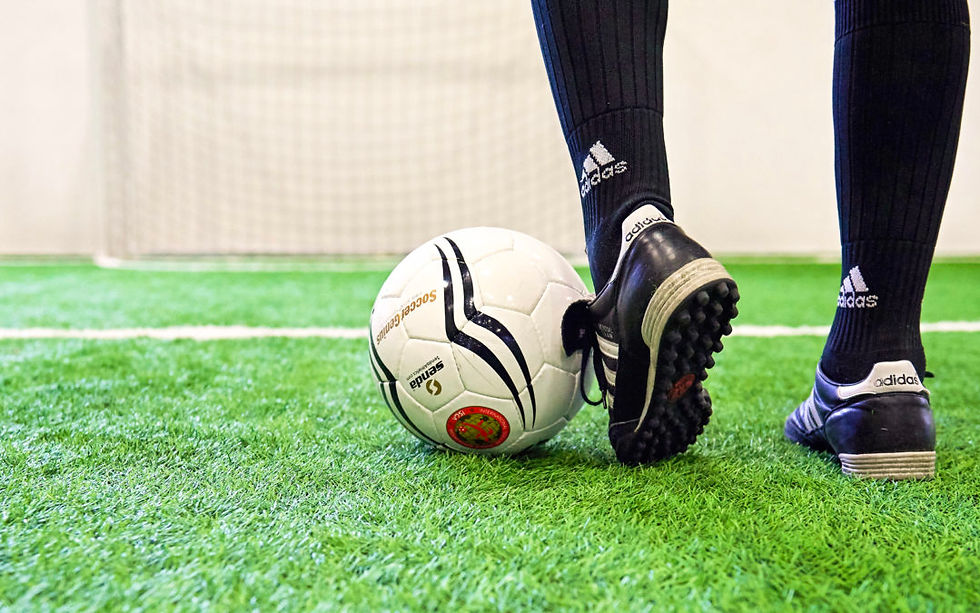
Artificial Sports Grass
Sports turf consists of synthetic fibers (typically polyethylene, polypropylene, or nylon) woven into a backing and often filled with rubber crumbs or sand to provide cushioning, durability, and support. Multiple fiber structures—monofilament for realism and ball control, texturized or fibrillated fibers for durability and traction—are chosen based on the sport and performance needs. Turf systems have underlying shock pads and drainage layers to enhance athlete safety and ensure playability even in wet conditions.
Consistent play surface: Provides reliable traction, ball control, and bounce regardless of weather conditions—ideal for year-round use.
Safety: Shock-absorbing layers help reduce injury risk; soft fibers mimic natural surfaces for comfort.
Durability: Withstands thousands of play hours (often 10,000+ per year); resistant to wear, tearing, and UV fading.
All-weather usability: Remains playable after rain or extreme temperatures thanks to integrated drainage and weatherproof materials.
Low maintenance: No watering, mowing, or fertilizing; requires only regular brushing, cleaning, and infill top-ups.
Customizable designs: Fiber length, density, and color are tailored for specific sports—e.g., 50mm pile for football, 40mm for training, or denser/shorter for hockey and tennis
Routine brushing: Keeps fibers upright and distributes infill evenly, preserving field performance.
Regular cleaning: Remove debris, leaves, and litter; rinse off spills and pet waste with water.
Inspect infill: Top up rubber crumbs or sand as necessary to maintain cushioning and stability.
Monitor drainage: Ensure underlying systems are clear for proper runoff after rain.
Professional checks: Periodic inspections for seam repairs, infill replacement, and overall field integrity are recommended, especially for high-traffic fields.


Artificial Sports Grass
.png)
